

9+ things to know before traveling to Vietnam
The essential checklist of things to know before traveling to Vietnam serves as a comprehensive roadmap that transforms a potentially overwhelming trip into a seamless, culturally enriching adventure. This practical guide equips international visitors with the necessary knowledge to navigate local customs, entry regulations, and daily logistics with absolute confidence. Wexplore Vietnam presents this detailed handbook to help you prepare thoroughly for your upcoming journey.
Weather and Best Time to Visit Vietnam
Because Vietnam stretches over 1,600 kilometers from north to south, the best time to visit depends entirely on which region you plan to focus on.
Weather by Region – When to Visit North, Central, and South
The country’s climate divides into three distinct zones, each with its own rhythm of rain and heat. The table below summarizes the broad seasonal patterns to help you plan around your key destinations:
| Region | Key Destinations | Best Months | What to Expect |
| North Vietnam | Hanoi, Ha Long Bay | Oct – Apr | Cool and dry; misty Ha Long Bay cruises; chilly Dec-Feb |
| Central Vietnam | Hue, Hoi An, Da Nang | Feb – Aug | Warm and sunny; typhoon/flooding risk Sep-Dec |
| South Vietnam | Ho Chi Minh City, Mekong Delta | Nov – Apr | Hot year-round; dry season brings clearer skies |
One practical note:
- Hanoi winters (December-February) can be genuinely cold and damp, so pack a light jacket even if you’re flying from a tropical country.
- Hoi An, meanwhile, sits in a flood-prone coastal basin – visiting between October and December carries a real risk of street-level flooding.
- Ho Chi Minh City stays hot and humid all year, with afternoon thunderstorms common from May to October but rarely trip-disrupting.
Sample Skeleton Itineraries for First-Timers
A 10–14-day first trip to Vietnam typically follows a north-to-south (or reverse) corridor. Among the most important things to know before going to Vietnam is how to structure your itinerary. Here are three practical frameworks:
- 10 days – Classic North + Central: Fly into Hanoi (3 nights), overnight cruise on Ha Long Bay (2 nights), fly to Da Nang and base in Hoi An (3 nights), fly home from Da Nang.
- 12 days – Full spine: Fly into Hanoi (2 nights), Ha Long Bay cruise (2 nights), overnight train or flight to Hoi An (3 nights), fly to Ho Chi Minh City (3 nights), day trip to Mekong Delta, fly out.
- 14 days – South-first for families: Fly into Ho Chi Minh City (3 nights), Mekong Delta day trip, fly to Da Nang/Hoi An (4 nights), fly to Hanoi (3 nights), Ha Long Bay cruise (2 nights), fly out. Open-jaw flights (in one city, out of another) save significant backtracking time and are widely available.
Passport, Visa and Entry Requirements
Entry paperwork is the item that trips up more travelers than anything else, so understanding Vietnam visa requirements deserves careful attention among the things to know before traveling to Vietnam.
Passport validity
Your passport must be valid for at least 6 months beyond your arrival date, with at least two blank pages for stamps.
Visa exemptions
Vietnam grants visa-free entry to a growing list of nationalities. As of 2026, most ASEAN countries (Thailand, Singapore, Malaysia, Indonesia, the Philippines, and others) enjoy 14-30 days visa-free, while 22 European nations receive 45 days visa-free under an exemption program that runs through August 2028.
Citizens of Japan and South Korea also qualify for 45-day exemptions, and Chile and Panama enjoy a generous 90 days. Notably, travelers from the United States, Canada, and Australia are not on the exemption list and must secure a visa before or upon arrival.
The e-Visa
For everyone else, Vietnam’s official e-Visa (available at evisa.gov.vn) is the simplest route. It allows single or multiple entry for up to 90 days and is accepted at more than 80 international airports, land borders, and seaports.
Currency, ATMs and Payment Tips
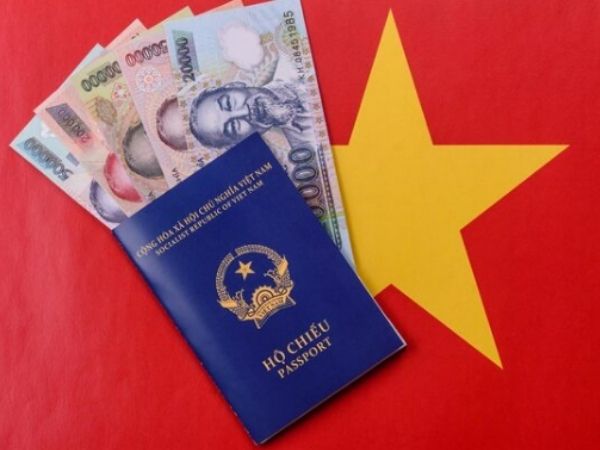
The Vietnamese Dong (VND) is the official currency, and its exchange rate – currently hovering around 26,000 VND to 1 USD – is one of the more disorienting things to know before traveling to Vietnam for first-timers. A 200,000₫ bowl of pho is roughly USD 7.60, not an alarming sum, but the extra zeros take a day or two to stop triggering sticker shock.
Cash vs. card
- Vietnam still runs largely on cash, especially in markets, small eateries, and rural areas. Cities like Ho Chi Minh City, Da Nang, and Hanoi accept cards more widely, but a card surcharge of 2-3% is common.
- ATMs are widely available in cities and tourist towns. Most Vietnamese banks cap withdrawals at 2-5 million VND (about USD 75-190) per transaction and charge a withdrawal fee, so a travel-friendly debit card that reimburses foreign ATM fees will save real money over a multi-week trip.
- Carry a small stash of USD for emergencies, but plan to spend in VND.
Practical money tips
- Money-changer shops (tiệm vàng, often gold shops) in city centers usually beat bank counters and airport kiosks for exchange rates.
- Break large notes whenever you can; small vendors and taxi drivers frequently “don’t have change” for anything above 500,000₫.
- Popular e-wallets like MoMo and ZaloPay are used heavily by locals but require a Vietnamese phone number to register, so most short-term visitors will rely on cash and cards instead.
- Always count your change, particularly with older 10,000₫ and 20,000₫ notes, which look confusingly similar at a glance.
Phone, Internet, Electricity and Essential Apps
Staying connected is easier in Vietnam than most travelers expect, and it’s one of the essential things to know before traveling to Vietnam. A little setup before departure can save you time and hassle later.
SIM cards and eSIM
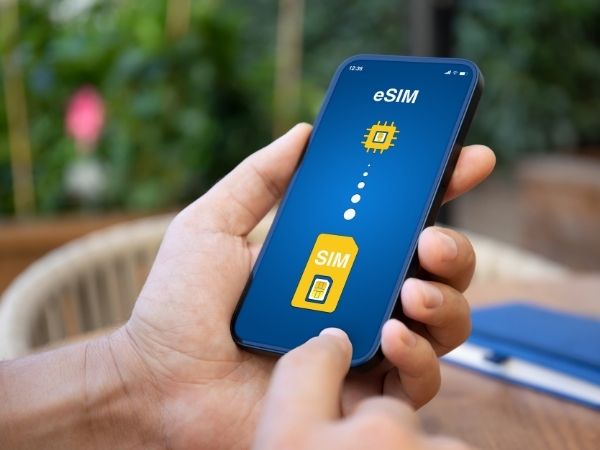
A physical SIM from Viettel, Mobifone, or Vinaphone can be bought cheaply at the airport or any local shop with your passport, and includes generous data allowances. Travelers who prefer to skip the queue can buy an eSIM online before landing and be connected the moment the plane touches down.
Either way, mobile data in Vietnam is inexpensive and coverage is strong in cities, along the coast, and on most major highways, though it thins out in remote mountain areas like parts of Ha Giang or Sapa’s backcountry.
Electricity
Vietnam runs on a 220V supply with Type A, C, and G sockets used interchangeably depending on the building. Bring a universal adapter; US and UK plugs will not fit directly into most outlets.
Essential apps to download before you land
| Application Name | Primary Function | Practical Benefit for Tourists |
| Grab | Ride-hailing & Food Delivery | Displays fixed, upfront pricing and eliminates the need to negotiate with drivers. |
| Google Translate | Language Translation | Deciphers local menus and facilitates basic conversations through real-time camera translation. |
| Google Maps | Navigation & Route Planning | Tracks public bus routes and calculates walking distances accurately in major cities. |
| Zalo | Local Messaging App | Connects travelers directly with boutique hotel owners, tour guides, and local homestays. |
Vietnamese Food, Water and Street Food Safety
Vietnamese cuisine like pho, banh mi, bun cha, fresh spring rolls,… is a major reason people fall in love with the country, and street food safety is one of the most-searched things to know before traveling to Vietnam.
Tap water
Do not drink tap water anywhere in Vietnam. Stick to bottled or filtered water, which is sold everywhere for a small price, and use it even to brush your teeth if you’re prone to a sensitive stomach.
Street food is generally safe with a few rules of thumb:
- Choose stalls with high turnover and long local queues. Busy stalls cycle through ingredients quickly, which is a better safety signal than a clean-looking storefront with no customers.
- Watch for food cooked fresh in front of you (grilled, fried, boiled) rather than dishes that have been sitting out at room temperature.
- Ice in cities is typically made from filtered water at industrial ice factories and is generally fine in reputable restaurants, though it’s worth skipping ice from very informal roadside carts if you want to be extra cautious.
- Carry basic rehydration salts or anti-diarrheal medication as a precaution.
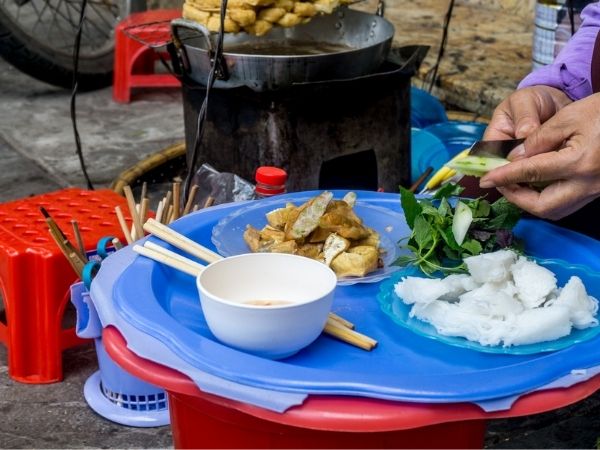
Beyond safety, street food is also where Vietnam’s culinary identity really lives: a plastic stool, a bowl of pho bo at sunrise, and a strong cup of ca phe sua da (Vietnamese iced coffee with condensed milk) is as authentic an introduction to the country as any museum.
Getting Around Vietnam and Crossing the Street
Traffic is one of the most important things to know before traveling to Vietnam. It is often the biggest culture shock for first-time visitors, but understanding how it works beforehand makes the experience far less overwhelming.
Domestic transport
- Flights connect major cities quickly and cheaply; it’s useful given Vietnam’s elongated shape (Hanoi to Ho Chi Minh City is roughly the same north-south distance as London to Rome).
- Trains, particularly the Reunification Express along the coast, offer scenic, comfortable overnight options between cities like Hue, Da Nang, and Nha Trang.
- Sleeper buses are the budget traveler’s staple for shorter and mid-range routes.
- Grab and metered taxis (Vinasun and Mai Linh are reputable brands) handle city transport reliably.
Crossing the street
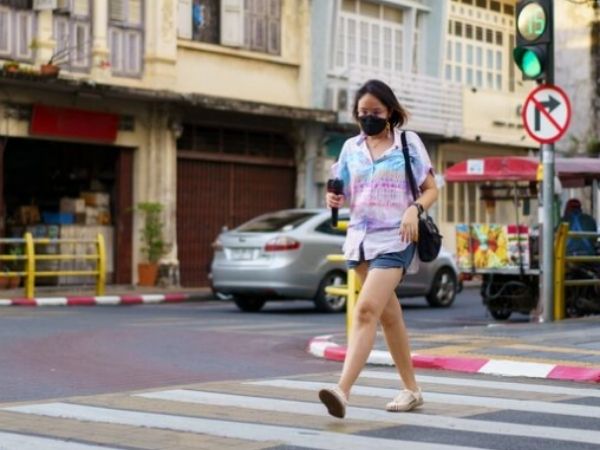
With few functioning pedestrian crossings and a constant flow of motorbikes, crossing a busy Vietnamese street feels alarming at first. The trick locals use: walk at a slow, steady, predictable pace, never stop suddenly or run, and let the traffic flow around you. Making eye contact with oncoming riders and moving with a group of locals the first few times both help build confidence quickly.
Safety, Scams and Health Precautions
Vietnam is generally a safe destination with low rates of violent crime toward tourists, and following travel safety tips in Vietnam can help visitors avoid common scams and health risks.
Common scams to watch for:
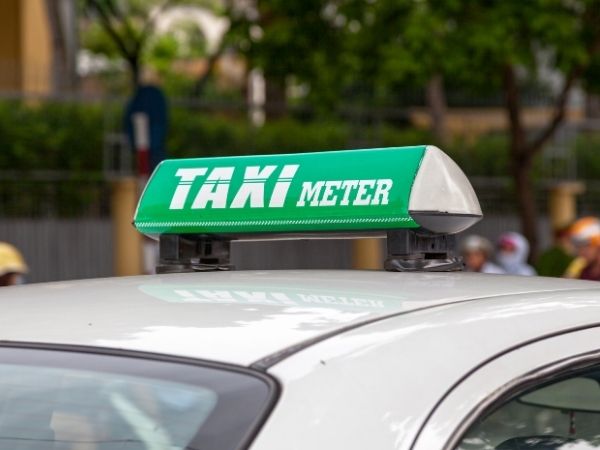
- Taxi meter tampering: stick to Grab or reputable metered companies (Mai Linh, Vinasun) rather than hailing random cabs at tourist hotspots.
- Motorbike rental “damage” claims: where a shop later claims the renter caused pre-existing damage. So, photograph the bike from every angle before you ride off.
- Overly friendly strangers offering unsolicited tours, tea ceremonies, or “special deals,” particularly around Hanoi’s Old Quarter and Ho Chi Minh City’s backpacker areas.
Health precautions:
- Travel insurance with medical evacuation coverage is strongly recommended; while major cities have good private hospitals, rural care can be limited.
- Routine vaccinations (Hepatitis A/B, Typhoid) are commonly recommended for Southeast Asia travel.
- Mosquito protection (repellent, covering up at dusk) reduces the risk of dengue fever, which is present in Vietnam, especially during the rainy season.
- Petty theft (bag-snatching from moving motorbikes) does happen in busy areas; carry bags cross-body and away from the road.
Culture, Etiquette and Local Customs
Learning about local customs is one of the key things to know before traveling to Vietnam. Vietnamese culture blends Confucian, Buddhist, and French colonial influences, and a little cultural awareness goes a long way toward building warmer interactions with locals.
- Greetings and respect for elders: A slight bow or nod with a smile is a polite greeting. Elders are addressed with respect, and it’s customary to let them enter rooms or be served first.
- Temple and pagoda etiquette: Dress modestly (shoulders and knees covered), remove shoes when instructed, and avoid pointing your feet toward Buddha statues or people.
- Handling money and objects: Use both hands (or the right hand) when giving or receiving money, business cards, or gifts.
- Saving face: Public confrontation or visible anger is culturally uncomfortable in Vietnam. If something goes wrong, a calm, friendly approach resolves things far more effectively than raising your voice.
Common First-Time Mistakes to Avoid in Vietnam
Avoiding strategic planning errors helps you maximize your limited travel time and reduces unnecessary physical exhaustion. This section highlights the missteps that rookie travelers frequently commit during their initial trip preparation.
- Over-packing the itinerary. Vietnam’s cities are farther apart than they look on a map; trying to fit Hanoi, Ha Long Bay, Hoi An, and Phu Quoc into five days leaves no room to actually enjoy any of them.
- Skipping the e-Visa check. Assuming your nationality is visa-exempt without verifying current rules is a common and costly mistake.
- Not carrying enough small cash for markets, local buses, and street food stalls.
- Hailing unmarked taxis instead of using Grab or reputable metered companies.
- Freezing up at street crossings instead of walking at a steady, predictable pace.
- Dressing inappropriately at pagodas and temples out of not knowing the dress code in advance.
- Ignoring seasonal weather differences between the north, center, and south when packing or planning dates.
Once the things to know before traveling to Vietnam are answered, the very first practical step is almost always the visa. Small mistakes such as incomplete details, passport issues, or applying too late can disrupt your entire journey. Travelers who need a Vietnam visa urgently can consider expedited visa support to avoid delays. With Wexplore Vietnam’s e-Visa service, a dedicated support team helps review your application and resolve any concerns along the way. That means less time worrying about paperwork and more time focusing on the destinations, experiences, and adventures waiting for you in Vietnam.