

Living in Vietnam: Complete Expat & Tourist Guide
Vietnam has become an increasingly popular destination for foreigners looking to travel, study, or work. Affordable living costs, a rich culture, and a vibrant lifestyle make it an attractive place to stay. Before deciding on living in Vietnam, it is helpful to understand the country’s climate, transportation, accommodation, living expenses, job opportunities, healthcare, education, and cultural differences.
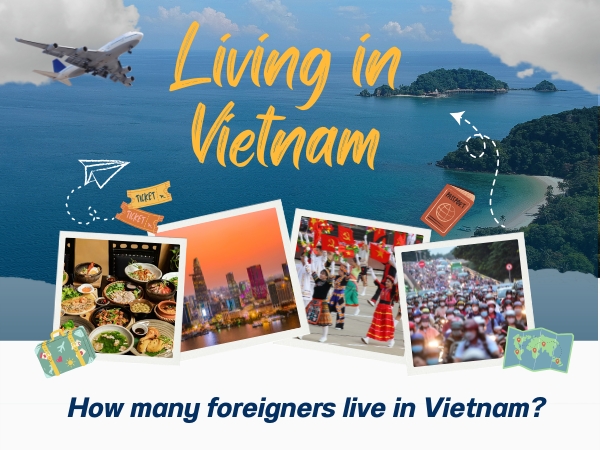
How many foreigners are living in Vietnam?
According to Vietnam’s Ministry of Home Affairs, as of the end of 2025, around 162,000 foreign workers were employed in Vietnam. They come from approximately 110 countries and territories, with the largest communities living in Ho Chi Minh City and Hanoi.
Most foreign workers are from China, South Korea, Taiwan, Japan, the United States,…
Climate in Vietnam
Vietnam has a tropical monsoon climate with average temperatures ranging from 21°C to 35°C. Humidity is high throughout the year, typically above 80%. The climate varies by region:
Northern Vietnam: There are four distinct seasons.
- Spring (February – April) is warm and humid.
- Summer (May – August) is hot with frequent rain.
- Autumn (September – November) is cool and pleasant.
- Winter (December – January) can be cold, with temperatures below 10°C in the mountains and occasional frost or snow.
Central Vietnam: There are two main seasons.
- The dry season (January – August) is hot and sunny with little rain.
- The rainy season (September – December) often brings heavy rainfall, typhoons, and flooding, especially in October and November.
Southern Vietnam: There are two distinct seasons.
- The rainy season (May – November) is hot and humid, with frequent afternoon showers.
- The dry season (December – April) is sunny with little rainfall, and temperatures can reach 35 – 37°C.
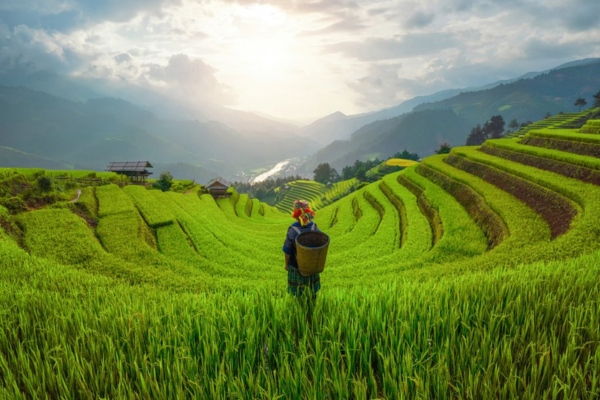
Transportation in Vietnam
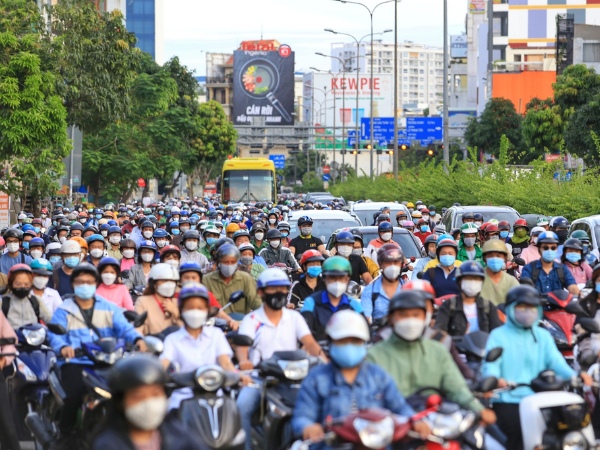
Motorbikes are the most common form of transportation in Vietnam. Heavy traffic can be challenging for newcomers, especially when crossing the street or riding on their own.
For daily travel, many foreigners prefer ride-hailing services, taxis, or buses because they are convenient and do not require driving.
If you plan on living in Vietnam long term and want more flexibility, you can apply for or convert your driver’s license to legally ride a motorbike or drive a car.
Vietnamese Culture and Lifestyle
Vietnam has a rich cultural heritage shaped by its agricultural traditions and the diversity of its 54 ethnic groups. Family plays a central role in daily life, with strong values of respecting elders, maintaining close family ties, and honoring ancestors.
Buddhism is the country’s most influential religion, alongside several other faiths. Traditional festivals, local customs, and spiritual practices are still widely observed and remain an important part of Vietnamese culture.
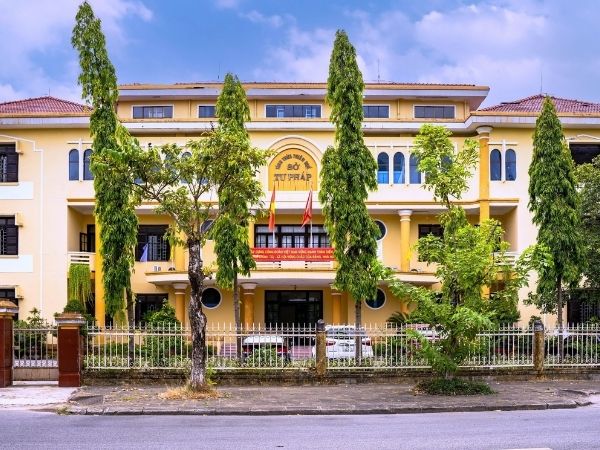
For many foreigners, the friendly people, warm hospitality, diverse cuisine, and affordable cost of living are some of the biggest advantages of living in Vietnam. While it may take time to adjust to cultural differences and Vietnamese customs and etiquette, most expats find Vietnam to be a welcoming and easy place to settle into.
Languages Spoken in Vietnam
Vietnamese is the official language and is spoken throughout the country. It uses the Latin alphabet, making it easier for foreigners to read street names, road signs, and other everyday information.
Many ethnic minority communities also speak their own languages alongside Vietnamese, including Khmer, Cham, Thai, Muong, Hmong, Tay, and Nung.
Among foreign languages, English is the most widely spoken, especially in major cities, tourist destinations, and business settings. Chinese, Korean, Japanese, French, German, and Russian are also used in education, business, and daily life.
Currency and Daily Payments in Vietnam
The official currency of Vietnam is the Vietnamese Dong (VND). Banknotes currently in circulation include 1,000, 2,000, 5,000, 10,000, 20,000, 50,000, 100,000, 200,000, and 500,000 VND. The 1,000, 2,000, and 5,000 VND notes are made of paper, while denominations of 10,000 VND and above are made of polymer.
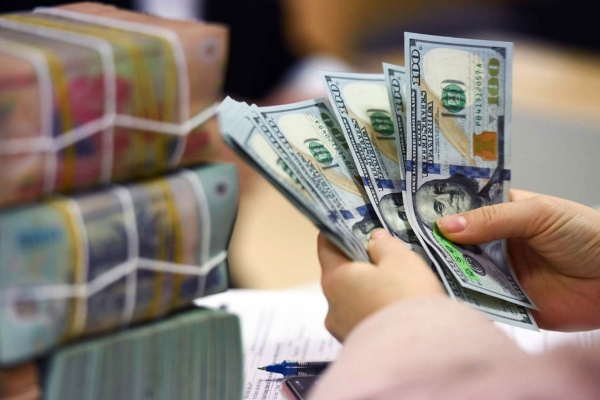
Cashless payments are widely accepted in major cities. You can use international credit cards, debit cards, e-wallets, or QR code payments at most shopping malls, supermarkets, restaurants, hotels, and convenience stores.
However, it is still a good idea to carry some cash when visiting traditional markets, small local shops, or remote tourist destinations, where electronic payments may not always be available.
The US Dollar (USD) is sometimes accepted at certain hotels, resorts, and businesses serving international visitors. However, the Vietnamese Dong (VND) remains the primary payment method for everyday transactions.
Work Permit and Careers in Vietnam
To work legally in Vietnam, foreign nationals must meet the current work permit requirements for foreigners.
Work Permit Requirements
Under current Vietnamese law, foreign nationals who wish to obtain a work permit must meet the following requirements:
- Be at least 18 years old.
- Have full legal capacity.
- Have the required qualifications, professional skills, and work experience, and meet the health requirements set by Vietnam’s Ministry of Health.
- Have no criminal record, no unspent convictions, and not be under criminal investigation.
- Have an approved demand for hiring foreign workers from the relevant Vietnamese authorities.

Career Opportunities for Expats
Foreign professionals working in Vietnam are generally employed in four main categories: managers, executive directors, experts, and technical workers.
Popular career fields include English language teaching, senior management at multinational companies, information technology, engineering, and project consulting.
Salaries vary by industry and experience. English teachers typically earn USD 1,000 – 2,500 per month, while managers and technical experts can earn USD 3,000 – 10,000+ per month, often with additional housing and transportation allowances.
Accommodation in Vietnam
Foreigners have plenty of accommodation options in Vietnam, including serviced apartments, condominiums, private houses, hotels, and homestays. If you work in Vietnam, your employer may provide accommodation or offer a housing allowance.
Many expats choose to rent apartments or houses in areas with large international communities, such as District 1, Thao Dien, and District 7 in Ho Chi Minh City; Tay Ho, Cau Giay, and Nam Tu Liem in Hanoi; or beachfront neighborhoods in Da Nang.
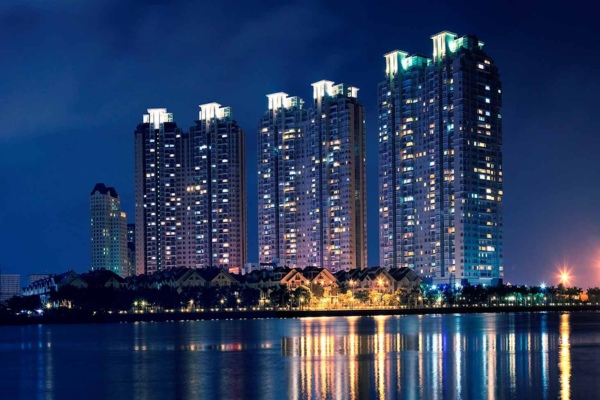
Rental prices vary depending on the location, size, and facilities. Before signing a lease, check whether utilities, management fees, and internet are included, and confirm that the landlord will assist with your temporary residence registration if required.
Estimated accommodation costs:
- Hotels/Homestays: From USD 20–100 per night, depending on the location and room type.
- Apartment Rental: Around USD 300–400 per month for a 30 m² apartment. Luxury apartments and villas typically range from USD 2,000–10,000 per month, depending on the location and size.
- Buying Property: Apartment prices are approximately USD 2,000–4,500/m² in Ho Chi Minh City and USD 1,300–2,500/m² in Hanoi.
Moving and Living Costs in Vietnam
Vietnam is one of the most affordable countries to live in, especially compared with Europe, North America, and many other Southeast Asian countries. Ho Chi Minh City and Hanoi have the highest living costs, while Da Nang, Nha Trang, Hoi An, and Vung Tau are generally 10–20% more affordable.
If you are staying on a short-term visa, remember to budget for visa extensions or visa runs for short-term stays when required. For example, a round-trip flight from Ho Chi Minh City to Bangkok for visa purposes may cost around USD 100.
Estimated monthly living costs:
| Expense | Estimated Cost (USD/Month) |
| One-bedroom apartment | 300–900 |
| Electricity | 30–60 |
| Water | 2–5 |
| Fiber internet | 11 |
| Mobile phone (data plan) | 3 |
| Transportation | 10–30 |
| Groceries | 50–150 |
| Dining out & entertainment | 100–250 |
| Total | USD 506–1,411/month |
Healthcare and Insurance in Vietnam
Vietnam has two main healthcare systems: public hospitals and private/international hospitals.
| Type | Features |
| Public hospitals | Lower medical costs, experienced doctors, and modern equipment. However, waiting times can be longer due to the high number of patients. |
| Private & international hospitals | Faster service, modern facilities, and many English-speaking doctors and staff. Costs are higher, but these hospitals are often preferred by foreigners. |
Estimated medical costs:
- Public hospitals: Around VND 50,000 – 100,000 per consultation.
- Private or international hospitals: Around VND 300,000 – 1,500,000 per consultation, depending on the hospital and specialty.
People enrolled in Vietnam’s public health insurance can receive 80–100% coverage for eligible medical treatment at registered healthcare facilities.

Foreigners who are not required to join the public scheme often choose international health insurance or private medical insurance. These plans provide access to international hospitals, English-speaking services, and broader medical coverage.
Education in Vietnam
Vietnam’s education system consists of four levels: preschool, primary and secondary education, vocational education, and higher education. The curriculum focuses on building a strong academic foundation and is gradually becoming more practical and skills-oriented.
Foreign families can choose from public schools, private schools, or international schools. International schools are the most popular option because they offer English or bilingual instruction, modern facilities, and internationally recognized programs such as Cambridge, IB, and the American curriculum.

Most international schools are located in Hanoi, Ho Chi Minh City, and Da Nang. Tuition fees are generally higher, and early application is recommended because places are often limited.
Pros and Cons of Living in Vietnam
Vietnam is a popular destination for foreigners thanks to its affordable living costs, rich culture, and growing economy. However, like moving to any new country, living in Vietnam has both advantages and challenges.
Pros of Living in Vietnam
- Affordable cost of living: Housing, food, transportation, and daily services are cheaper than in many developed countries.
- Good job opportunities: Foreigners can find work in education, technology, tourism, manufacturing, and international businesses.
- Excellent cuisine: Vietnamese food is diverse, fresh, affordable, and well known around the world.
- Friendly people and a safe environment: Vietnamese people are welcoming, and violent crime rates are relatively low.
- Convenient location for travel: Vietnam has many international flights and is close to Thailand, Singapore, Malaysia, Cambodia, and China.
Cons of Living in Vietnam
- Heavy traffic: Major cities can be congested, and the large number of motorbikes may take time to get used to.
- Air pollution: Air quality in Hanoi and Ho Chi Minh City can be poor during certain times of the year.
- Administrative procedures: Visa, work permit, and residence permit applications can be time-consuming.
- Language barrier: English is common in major cities but less widely spoken in other areas.
- Tropical climate: Hot, humid weather, long rainy seasons, and occasional typhoons may require some adjustment.
Frequently Asked Questions About Living in Vietnam
Is Vietnam safe for expats and tourists?
Yes. Vietnam is considered one of the safest countries in Asia for foreigners and tourists.
How much does it cost to live in Vietnam?
The average cost of living in Vietnam for a single person is around VND 7 – 15 million per month, depending on lifestyle and location.
What are the best cities to live in Vietnam?
Da Nang is often considered the most livable city in Vietnam thanks to its clean environment, light traffic, affordable living costs, and beautiful beaches and mountains.
Can foreigners work in Vietnam?
Yes. Foreigners can work in Vietnam if they meet the legal requirements, including being at least 18 years old, having the required qualifications and work experience, and holding a valid work permit and visa.
Do people speak English in Vietnam?
Yes. English is widely taught in schools, and many young Vietnamese people can communicate in English. In major cities such as Hanoi, Ho Chi Minh City, and Da Nang, as well as popular tourist destinations, English is commonly spoken in hotels, restaurants, shopping malls, and many other businesses.
Can foreigners rent apartments in Vietnam?
Yes. Foreigners can rent an apartment in Vietnam with a valid passport and a valid visa or Vietnam temporary residence card. After you move in, the landlord or building management will usually help register your temporary residence as required by Vietnamese law.
Do you need health insurance in Vietnam?
Not always. Foreigners are generally not required to have public health insurance unless they are employed in Vietnam. If you work under an employment contract of 12 months or longer, your employer is responsible for enrolling you in the mandatory health insurance program.
Preparing before moving and living in Vietnam will help you settle in more easily. If you’re planning to travel, study, or work in Vietnam and need visa assistance, contact Wexplore Vietnam for expert advice and a fast, hassle-free application process. Call our hotline at +84 904 879 729 today!