

Overstay Vietnam visa: What happens & how to fix it
Overstaying a visa can create serious complications for travelers, and understanding the rules is essential. If you overstay Vietnam visa, you may face fines, legal penalties, or even restrictions on future visits. This guide will help you learn the consequences, how to avoid overstaying, and what steps to take if it happens.
What is Vietnam visa overstay?
Overstaying your Vietnam visa means remaining in the country beyond the validity period granted on your visa essentially staying with an expired visa.
Overstaying a Vietnam visa can lead to serious consequences. Therefore, before you or your loved ones enter Vietnam, it is important to understand the potential penalties, how to avoid overstaying, and the proper steps to take if it happens.
Consequences of Overstaying Your Visa in Vietnam
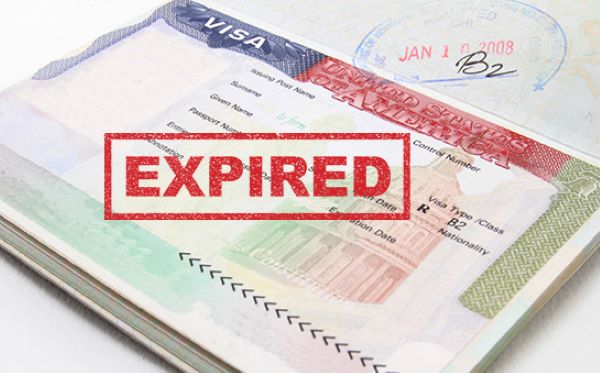
Under Vietnam’s Immigration Law, penalties for overstaying a visa vary based on the visa type and the specific circumstances.
According to Vietnam’s regulations on administrative fines, the penalty for overstaying can range from VND 500,000 to VND 40,000,000, depending on the number of days you have overstayed.
In addition to fines, individuals who overstay may be blacklisted by the Vietnam Immigration Department and face forced deportation. In severe cases, you may even be permanently banned from returning to Vietnam in the future.
Vietnam Visa Overstay Fines
This section provides detailed information on the question: “How much do you have to pay if you overstay your visa in Vietnam?”
In Vietnam, overstaying fines are calculated based on the number of days you remain in the country beyond your visa’s validity. The penalties are specified in Article 8 of Circular No. 144/2021/NĐ-CP as follows:
- Overstaying for less than 16 days: VND 500,000 – VND 2,000,000 (~US $22 – $88)
- Overstaying for 16 to less than 30 days: VND 3,000,000 – VND 5,000,000 (~US $133 – $221)
- Overstaying for 30 to less than 60 days: VND 5,000,000 – VND 10,000,000 (~US $221 – $441)
- Overstaying for 60 to less than 90 days: VND 10,000,000 – VND 15,000,000 (~US $441 – $661)
- Overstaying for at least 90 days: VND 15,000,000 – VND 20,000,000 (~US $661 – $885)
- Failing to comply with a forced exit order and continuing to reside in Vietnam: VND 30,000,000 – VND 40,000,000 (~US $1,320 – $1,760)
See more>>
How to Avoid Overstaying Vietnam Visa In Advance?
Prevention is always better than cure and this applies not only to health but also to visa overstays. The best approach is to avoid overstaying in the first place by following these simple tips:
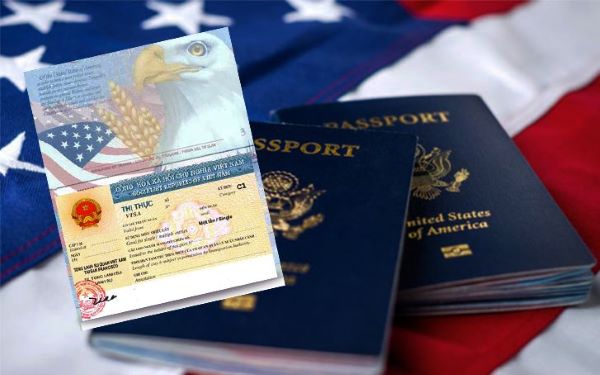
- Check your visa stamp upon arrival: Always verify the expiry date on your visa stamp at the airport. In some cases, immigration officers may accidentally stamp the wrong date. This can lead to serious complications later, and travelers may have difficulty explaining the mistake if accused of violating Vietnamese law. Make sure all details especially the validity dates are accurate before leaving the counter.
- Set reminders for your visa expiry date: Life happens weddings, medical treatments, extended trips, even lost documents and these situations can cause you to forget your visa’s last valid day. To avoid unnecessary fines or legal issues, always keep track of your visa expiry date with a note or phone reminder.
- Apply for a visa extension if needed: If you plan to stay in Vietnam beyond your visa’s expiration, you must request a Vietnam visa extension in advance to avoid penalties.
What to Do If You Have Overstayed?
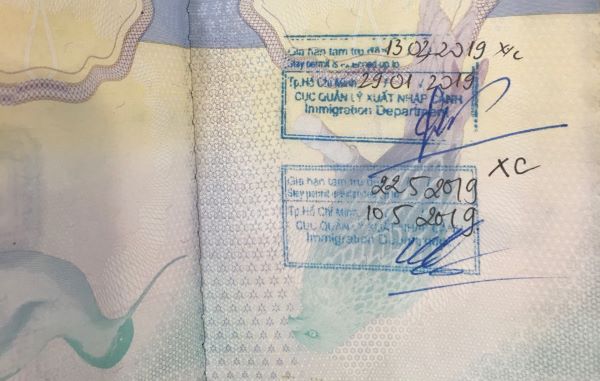
The most convenient way to handle a short overstay typically one or two days is to simply pay the fine upon departure. You can settle the fee directly with the immigration officer at the airport when exiting Vietnam. The fine is usually around VND 500,000 (approximately US $25).
However, while this method is quick, it is not always the best solution. Your passport will be marked for overstaying, which may negatively affect future entries into Vietnam.
If you wish to remain in the country or avoid potential complications later, it is strongly recommended to extend your expired visa, even though the process may take a few additional days.
What to do if you lose your passport?
If you overstay in Vietnam because your passport is lost, you should act immediately. First, go to the local ward police office to file a Passport Lost Report and obtain their stamped confirmation. After that, contact your country’s Embassy or Consulate in Vietnam to request a passport renewal. This process may take several weeks. If your country has no Embassy or Consulate in Vietnam, reach out to the nearest mission in a neighboring country and request a diplomatic note.
Your Embassy or Consulate will then send a letter to the Vietnam Immigration Department, requesting assistance in issuing either a travel document for departure or a new visa if you wish to stay longer. If you choose to leave Vietnam, you can exit the country using your newly issued passport along with an exit visa.
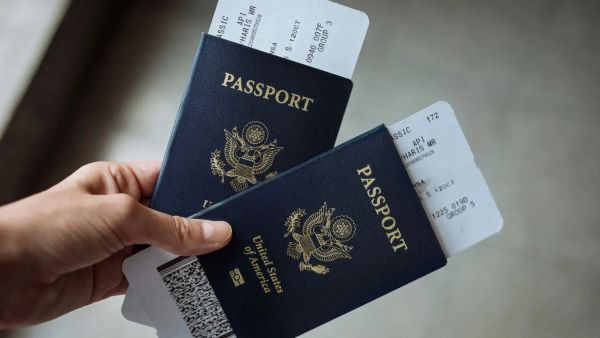
How to leave Vietnam if your visa expires
To leave Vietnam legally, you must pay all required penalty fees and follow any procedures requested by local authorities, such as submitting an explanation letter or applying for an exit visa.
See how to get a Vietnam exit visa
If your overstay is only a few days, you can simply pay the fine directly to the Immigration Officer at the international airport when departing Vietnam.
Frequently Asked Questions
If you’re worried about overstaying your visa in Vietnam, here are the most frequently asked questions and important facts you need to know, from fines and extensions to blacklisting and re-entry.
- Can I extend my visa after overstaying?
Generally, no. In 2025, the standard procedure for overstaying (especially for tourists) is to pay the fine and exit the country. Extensions are rarely granted to violators unless there is a severe medical emergency (with hospital proof) or a compelling force majeure reason. - How much is the fine for overstaying 1 day?
For a delay of fewer than 16 days, the fine ranges from 500,000 VND to 2,000,000 VND. For 1 day, it is usually at the lower end (approx. 1,250,000 VND is a common figure cited by travelers). - Will I be blacklisted for overstaying?
If you overstay for a short period (under 15 days) and pay the fine voluntarily, you are unlikely to be blacklisted. However, overstaying for months or repeated offenses will almost certainly result in a blacklist entry. - Can I come back to Vietnam after overstaying?
If you were not blacklisted, you can return. However, you must exit Vietnam first (do a “visa run”), apply for a new E-visa, and re-enter. You cannot switch to a new visa while staying inside Vietnam illegally. - Is the “Vietnam overstay visa fine” calculator accurate?
Online calculators are estimates. The final fine is determined by the Immigration Officer based on the administrative laws at the specific moment of processing.
Avoiding an overstay Vietnam visa is always the best strategy. By keeping track of your visa validity, following local regulations, and taking prompt action if issues arise, you can ensure a smooth and trouble-free stay in Vietnam. Staying informed and proactive helps you enjoy your trip without unnecessary fines or legal complications.
Entry Vietnam Visa offers fast–track Emergency Vietnam Visa services, helping travelers obtain urgent visas within 1 day, a few hours, or even just minutes. Their dedicated support team ensures a smooth, reliable, and time-saving process for last-minute trips.
See more>>